Creating a home office that feels cozy yet helps you stay productive is key to making work-from-home life enjoyable and effective. Whether you have a dedicated room or a small corner, optimizing your workspace can make a big difference in your focus and comfort. Here are some friendly and practical tips to help you design a home office space that works for you.
Choose the Right Location
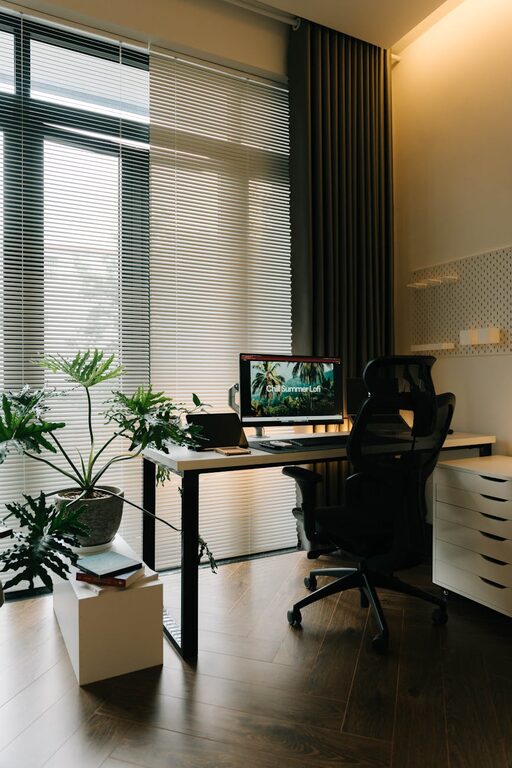
Finding the perfect spot for your home office is the first step. Ideally, pick a quiet area with minimal distractions. If possible, select a room with a door you can close to signal work time and limit interruptions. A space near a window is great, as natural light boosts mood and alertness.
If space is tight, consider a nook or corner in your living room or bedroom. Use furniture or room dividers to create a separate work zone. The key is to have a specific area dedicated to work to help your mind switch into productivity mode.
Invest in Comfortable and Functional Furniture
Your desk and chair are the foundation of a good home office. Choose a desk with enough surface area for your computer, notebooks, and any other essentials. Height-adjustable desks can be a great option as they allow switching between sitting and standing, which promotes better posture and reduces fatigue.
A comfortable office chair with good lumbar support is crucial to avoid back and neck pain. Ergonomic chairs can often be found at reasonable prices and are worth the investment for long-term comfort.
Optimize Lighting
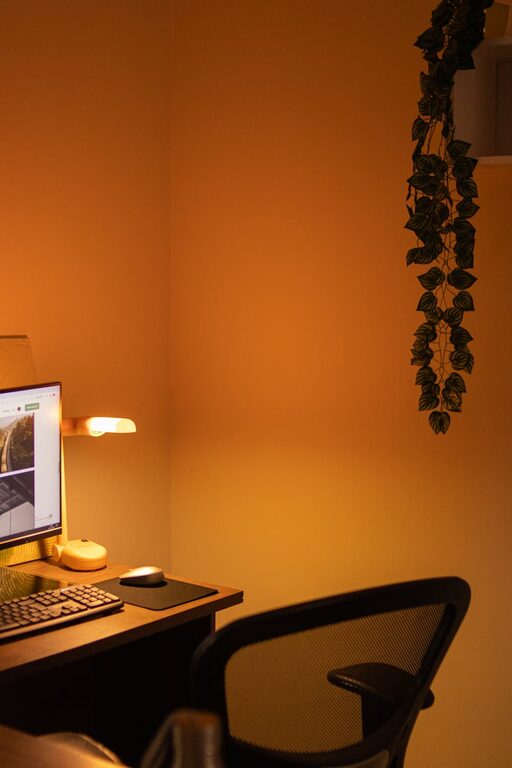
Good lighting helps reduce eye strain and keeps you energized. Natural daylight is best, so position your desk near a window when possible. For cloudy days or evening work sessions, use a combination of overhead lighting and task lighting.
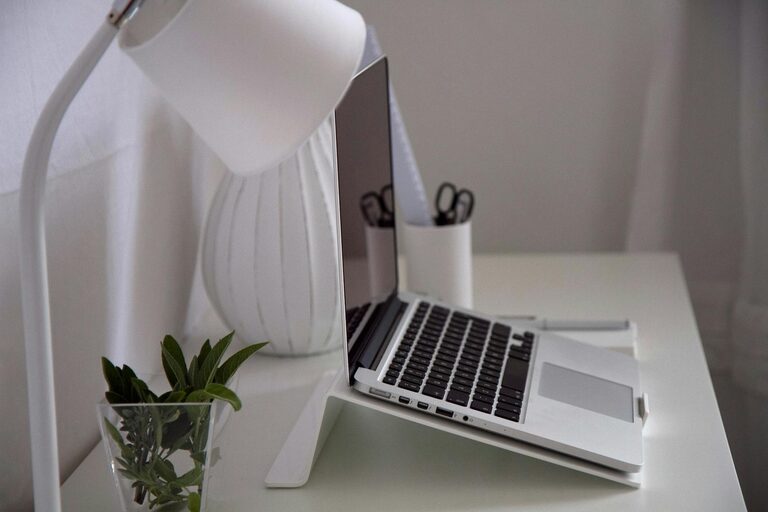
A desk lamp with adjustable brightness and color temperature allows you to tailor the light to your needs. Warm light in the evening can help you wind down, while cooler, bright light during the day encourages alertness.
Organize and Declutter
A cluttered workspace can be distracting and stressful. Keep only the essentials on your desk to maintain a clean, tidy look. Use organizers like trays, desk drawers, or desktop file holders to store papers and office supplies neatly.
Shelving units or cabinets nearby can also help keep larger items and reference books out of sight but easily accessible. Digital organization is just as important — use cloud storage and tools to reduce paper clutter.
Personalize Your Space
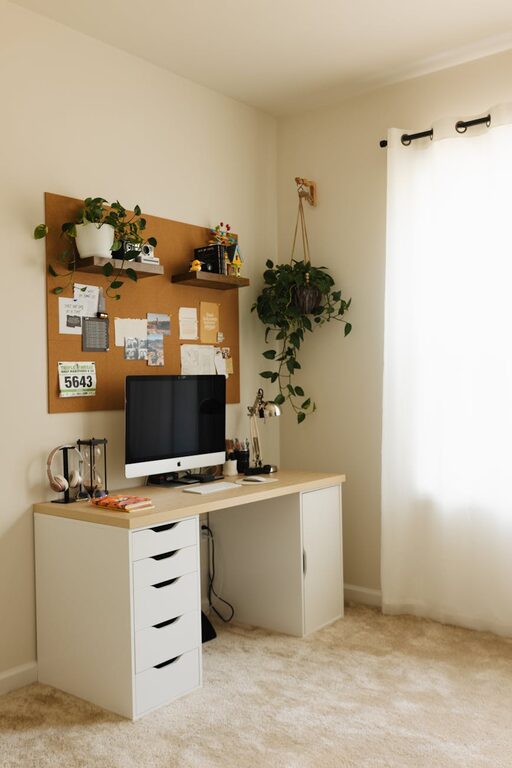
Adding personal touches makes your home office inviting and uniquely yours. Consider artwork, plants, or photos that inspire you without overwhelming the space. Indoor plants not only brighten the room but can also improve air quality and boost mood.
Keep colors soothing and consistent. Soft tones like pale blues, greens, or neutrals tend to create a calm environment. You can also add texture through textiles like rugs, cushions, or curtains for warmth and coziness.
Manage Noise and Distractions
Noise can disrupt concentration, especially in shared or busy homes. Consider noise-canceling headphones or background music or white noise to help you focus. If your room has hard surfaces that create echoes, soft furnishings or acoustic panels can absorb sound.
Set clear boundaries with family or roommates about your work hours. Using a “do not disturb” sign or closing the door helps communicate that you need uninterrupted time.
Use Technology Wisely
Ensure your internet connection is fast and reliable to eliminate technical frustrations. Keep cables organized with clips or sleeves to avoid tangles.
Use productivity apps and planners to organize tasks, set reminders, and track goals. Tools like calendars, note-taking apps, and time trackers can help keep you on schedule and minimize stress.
Incorporate Break Areas
Even in a small home office, try to create a little space for breaks. A cozy chair or cushion nearby invites you to step away from your desk during short rests. Incorporating movement breaks throughout the day, like stretching or short walks, helps maintain focus and energy.
Maintain Routine and Flexibility
Design your space to support your daily routine but remain adaptable. Sometimes rearranging furniture or changing décor with the seasons can refresh your work mindset.
Set regular work hours and avoid working from bed or the couch, which can blur the line between rest and work. When your workday ends, physically leaving your home office helps you mentally switch off.
—
By thoughtfully designing your home office for both coziness and productivity, you create an environment that supports your well-being and work habits. With the right setup, you can enjoy more comfortable, focused, and efficient workdays right at home.