
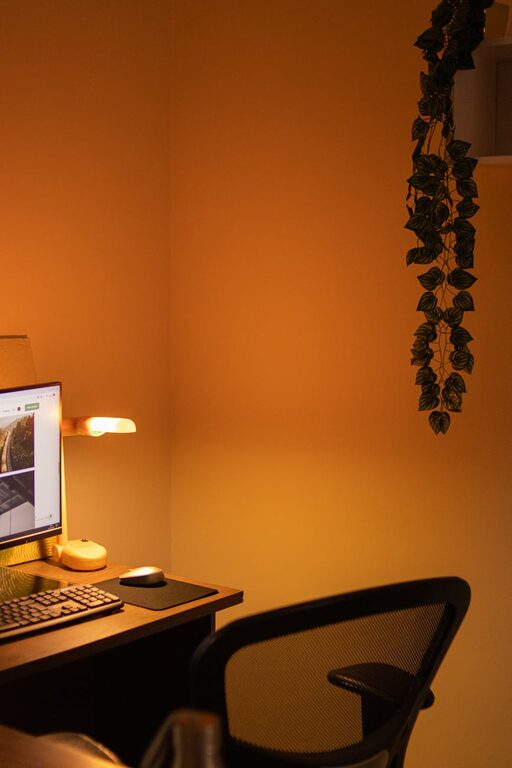
Creating a cozy and inviting home workspace is essential for anyone working or studying from home. A well-designed area can increase focus, reduce stress, and make your daily tasks more enjoyable. Whether you have a dedicated room or a small corner, these tips will help you design a workspace that feels comfortable and welcoming.
Choose the Right Location
Consider Natural Light
Natural light can improve your mood and energy levels. If possible, set up your workspace near a window to take advantage of daylight. This will reduce eye strain and create a pleasant atmosphere.
Minimize Distractions
Pick a quiet spot where you can concentrate without interruptions. Avoid high-traffic areas or places with a lot of noise. If space is limited, consider using room dividers or noise-canceling headphones.
Invest in Comfortable Furniture
Ergonomic Chair and Desk
Comfort is key for long work hours. An ergonomic chair supports your posture and helps prevent back pain. Your desk should be the right height to keep your arms and wrists comfortable.
Add Soft Textiles
Incorporate cushions, a cozy throw blanket, or a soft rug to make the space feel warmer and more inviting. These elements add texture and comfort to your setup.
Organize Efficiently
Declutter Regularly
A tidy workspace reduces stress and helps you focus. Use storage bins, shelves, or desk organizers to keep supplies neatly arranged.
Use Vertical Storage
Maximize your space by utilizing wall shelves or pegboards. Vertical storage keeps your desk clear and makes frequently used items easy to reach.
Personalize Your Space
Add Greenery
Plants can bring life and color to your workspace. They improve air quality and create a calming environment. Choose low-maintenance plants like succulents or pothos.
Display Inspiring Items
Decorate with photos, artwork, or motivational quotes that inspire you. Personal touches make your workspace feel unique and welcoming.
Optimize Lighting
Combine Different Light Sources
In addition to natural light, use a mix of task lighting and ambient lighting. A desk lamp with adjustable brightness is perfect for focused work, while warm overhead lights create a cozy mood.
Avoid Glare
Position monitors and lights to reduce glare on screens. This helps prevent eye strain and makes it easier to concentrate.
Maintain Good Air Quality
Keep Windows Open When Possible
Fresh air improves alertness and overall well-being. When weather permits, open windows to let in fresh air.
Use Air Purifiers
If your room lacks good ventilation, consider an air purifier to keep the air clean and comfortable.
Set Boundaries for Work-Life Balance
Define Work Hours
Create a routine by setting specific work hours. This helps your mind associate the workspace with focus and productivity.
End the Day by Tidying Up
Before finishing work, take a few minutes to organize your desk. This signals the end of the workday and prepares you for the next day.
Incorporate Technology Thoughtfully
Manage Cables
Use cable organizers to keep cords neat and avoid a tangled mess. A clean workspace encourages a clear mind.
Use Reliable Equipment
Invest in a good-quality computer, headset, and other tools needed for your work. Reliable technology avoids frustration and interruptions.
Add Comfort Enhancers
Temperature Control
Keep a small fan or heater nearby to maintain a comfortable temperature. Being too hot or cold can distract you from tasks.
Keep Hydrated and Snack-Friendly
Have a water bottle and healthy snacks handy. Staying hydrated and nourished supports concentration and energy levels.
—
By applying these tips, you can create a home workspace that is both functional and inviting—one that supports your productivity while making you feel comfortable and at ease. Remember, your workspace should reflect your personality and needs, so feel free to experiment and adjust until it feels just right.