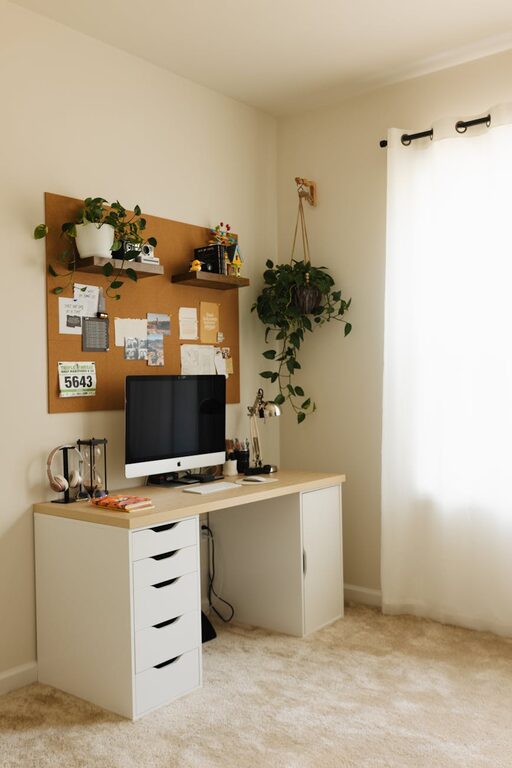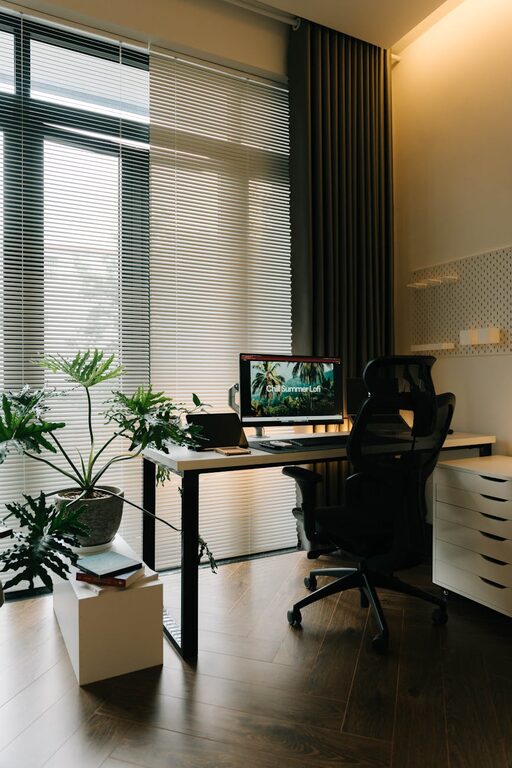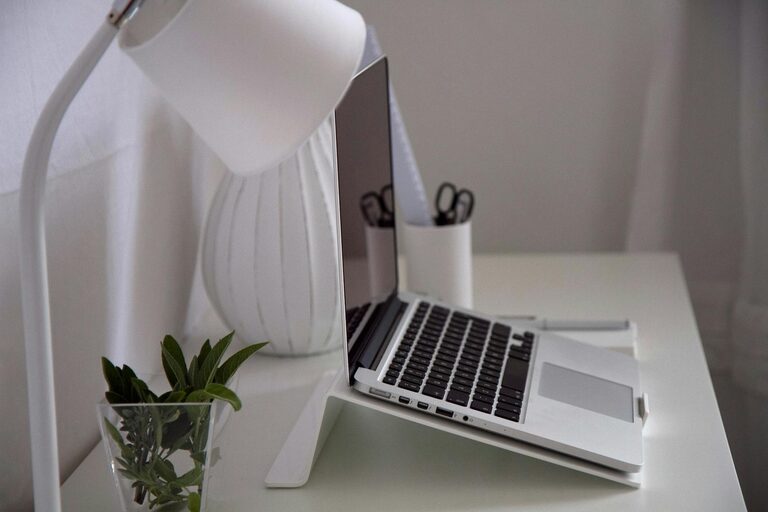
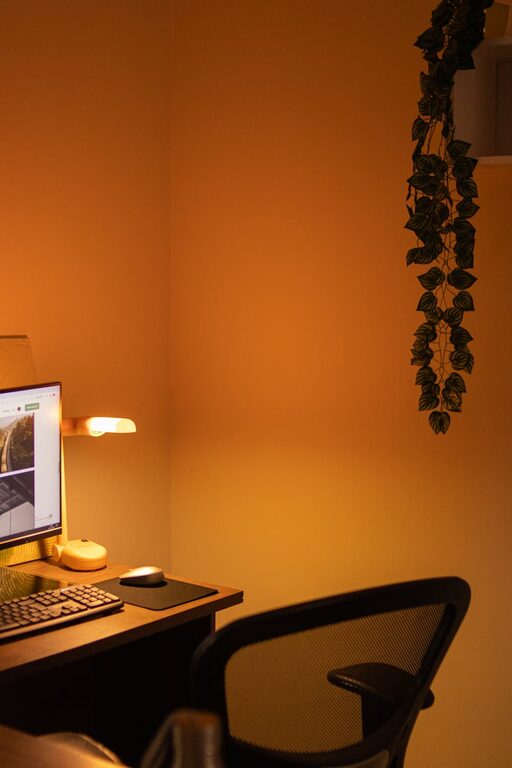
Creating a cozy and inviting home office space is essential for anyone working remotely or spending a significant amount of time on personal projects. A well-designed office can boost your productivity, reduce stress, and make your workday more enjoyable. Here are some practical tips to help you transform your workspace into a comfortable and inspiring retreat.
Choose the Right Location
The first step to creating a great home office is selecting the ideal spot. Consider the following:
– Natural light: Pick a location near a window if possible. Natural light improves mood and reduces eye strain.
– Quiet environment: Choose an area with minimal distractions and noise.
– Space availability: Ensure there’s enough room for your desk, chair, and storage.
Even a small corner or nook can become a functional office with the right setup.
Invest in Comfortable Furniture
Comfort is key to staying focused during long work hours.
– Ergonomic chair: Choose a chair that supports your back and encourages good posture.
– Spacious desk: Select a desk with ample surface area for your computer, documents, and personal items.
– Adjustable furniture: Consider height-adjustable desks or monitor stands to create an ergonomic arrangement.
Comfortable furniture not only improves productivity but also helps prevent physical strain.
Personalize Your Space
Adding personal touches creates a welcoming atmosphere.
– Artwork and photos: Decorate with inspiring artwork or family photos.
– Favorite colors: Incorporate colors that calm or energize you through wall art, cushions, or rugs.
– Plants: Bring in some greenery to add life and improve air quality.
Personalizing your office makes the space feel like your own and can positively influence your mood.
Organize with Purpose
An organized desk reduces stress and distractions.
– Storage solutions: Use shelves, drawers, or filing cabinets to keep documents and supplies tidy.
– Desk organizers: Utilize trays, pen holders, and cable management tools to declutter your desk.
– Digital organization: Maintain well-structured digital files and a clean desktop to increase efficiency.
Regularly declutter to maintain a neat and functional space.
Optimize Lighting
Proper lighting is crucial for both comfort and productivity.
– Task lighting: Use desk lamps with adjustable brightness for focused work.
– Ambient lighting: Soft overhead or floor lamps can reduce eye strain and create a warm ambiance.
– Avoid glare: Position screens and lighting to minimize reflections and excess glare.
Lighting that can be adjusted for different times of the day helps keep your eyes comfortable and energy levels up.
Incorporate Soothing Textures and Warmth
Creating a cozy feel involves adding tactile and visual warmth.
– Rugs and cushions: Soft textiles underfoot or on chairs add comfort and style.
– Throw blankets: Keep a cozy blanket nearby for chilly days.
– Warm tones: Wood furniture or warm-colored accessories enhance the inviting ambiance.
These small additions can make your office feel less sterile and more like a living space.
Keep Inspiration Nearby
Stay motivated by surrounding yourself with elements that inspire creativity.
– Vision board: Pin your goals, ideas, or motivational quotes in sight.
– Books and materials: Keep reference books or magazines within reach.
– Creative tools: Have your favorite pens, notebooks, or art supplies ready for brainstorming sessions.
An inspiring environment encourages productivity and fresh ideas.
Control Temperature and Air Quality
Comfort also depends on the physical environment of your space.
– Ventilation: Open windows when possible or use an air purifier to maintain fresh air.
– Temperature control: Keep the room at a pleasant temperature with fans, heaters, or air conditioners.
– Humidity: Use a humidifier or dehumidifier to balance moisture if needed.
Maintaining a comfortable environment helps you stay focused and comfortable.
Establish Boundaries
Especially important when working from home, clear boundaries help separate work from personal life.
– Defined workspace: Use room dividers or arrange furniture to create a distinct office area.
– Work hours: Set specific working times and avoid mixing work with leisure zones.
– Communication: Inform family or housemates of your schedule to minimize interruptions.
Clear boundaries improve concentration and help maintain work-life balance.
—
By thoughtfully considering these elements, you can create a home office that feels cozy, inviting, and practical. Remember, a comfortable workspace tailored to your needs encourages productivity and makes working from home a positive experience. Take your time experimenting with layouts, colors, and accessories until you find the perfect balance for your ideal home office.