
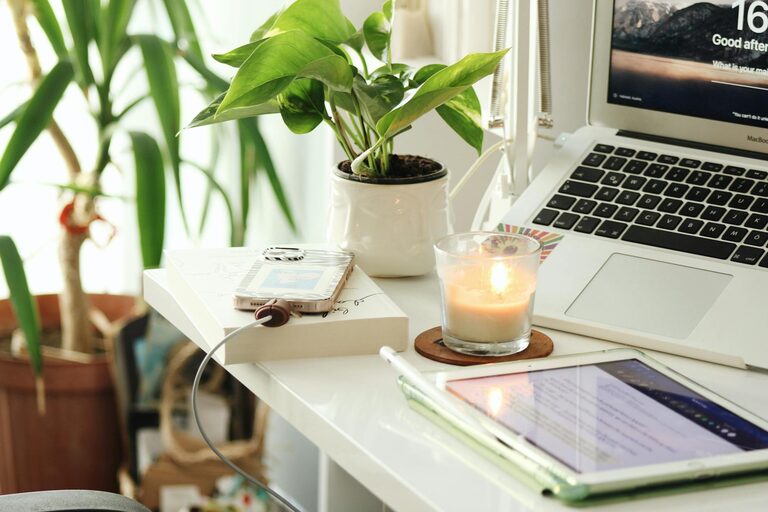
Creating a relaxing home workspace is essential for balancing productivity and comfort while working remotely. A thoughtfully designed environment can reduce stress, improve focus, and make your workday more enjoyable. Whether you’re setting up a new space or refreshing an existing one, these tips will help you create an area that promotes both relaxation and efficiency.
Why a Relaxing Workspace Matters
Working from home offers flexibility but can blur the boundaries between professional and personal life. Without a dedicated, calming workspace, it’s easy to feel overwhelmed or distracted. A relaxing environment supports mental clarity and motivation, helping you accomplish tasks with less strain.
Choose the Right Location
Start by selecting a spot in your home that suits your needs:
– Quiet and private: Pick a place away from high-traffic areas to minimize interruptions.
– Natural light: Position your desk near a window to take advantage of daylight, which can boost mood and alertness.
– Good ventilation: Fresh air keeps the area comfortable and can prevent fatigue.
Invest in Comfortable Furniture
Comfort is key to maintaining focus and avoiding physical discomfort:
– Ergonomic chair: Choose a chair that supports your back, encourages proper posture, and can be adjusted to fit your height.
– Desk at the right height: Your desk should allow your arms to rest comfortably while typing or writing.
– Footrest: If your feet don’t touch the floor comfortably, use a footrest to reduce strain.
Keep It Organized and Clutter-Free
A tidy workspace helps clear your mind and reduce distractions:
– Use storage solutions: Drawers, shelves, and desk organizers keep supplies within reach but out of sight.
– Limit items on the desk: Keep only what you need daily, like your laptop, notebook, and a pen.
– Manage cables: Use cable holders or clips to keep cords neat and prevent tangles.
Personalize Your Space Mindfully
Adding personal touches can make your workspace inviting—just avoid clutter:
– Plants: Small potted plants or succulents add a natural touch and can improve air quality.
– Artwork or photos: Choose images that inspire or calm you.
– Soft textiles: A cozy throw or chair cushion can increase comfort.
Optimize Lighting
Proper lighting reduces eye strain and supports your circadian rhythm:
– Natural light first: As mentioned, position your workspace where daylight is available.
– Desk lamp: Use adjustable LED lamps to focus light where needed, avoiding glare on screens.
– Ambient lighting: Soft overhead lighting can provide a comfortable overall environment, especially in the evenings.
Minimize Noise and Distractions
Noise can disrupt concentration, so consider these options:
– Noise-cancelling headphones: Useful if ambient sounds are hard to control.
– White noise machine or app: Helps mask distracting background noise.
– Door or room dividers: Create a physical separation if you share your space with others.
Establish a Routine
Designing your space is just the start—setting work habits reinforces relaxation and productivity:
– Start and end times: Keep consistent hours to create structure.
– Breaks: Schedule short breaks to stretch, hydrate, or rest your eyes.
– Organized tasks: Use calendars or to-do lists to prioritize work.
Incorporate Movement
Sitting all day can be exhausting. Add movement to your routine and setup:
– Standing desk option: A convertible desk allows you to alternate between sitting and standing.
– Stretching area: Leave some space or a yoga mat nearby for quick stretches.
– Regular walks: Use breaks for brief walks outside or around your home.
Keep Technology Efficient and User-Friendly
A smooth tech setup supports productivity without frustration:
– Reliable internet: Ensure your connection is stable to avoid disruptions.
– Proper peripherals: Consider a separate keyboard, mouse, or monitor for comfort.
– Declutter digital space: Organize files and close unnecessary apps to reduce on-screen distractions.
Final Thoughts
Creating a relaxing home workspace is about balancing comfort and practical needs. By paying attention to lighting, furniture, organization, and personal touches, you can build an environment that supports your best work and well-being. Remember that small changes can make a big difference—start with one or two tips and gradually refine your space to suit your style and routine. A peaceful, productive workspace awaits just around the corner!